521%
Year-over-year jump in volunteer-driven giving
$329K
Raised by volunteers across the year
117
Registered volunteers — 2x the independent-school median
70%
Open rate across 1,000+ volunteer email appeals
School overview
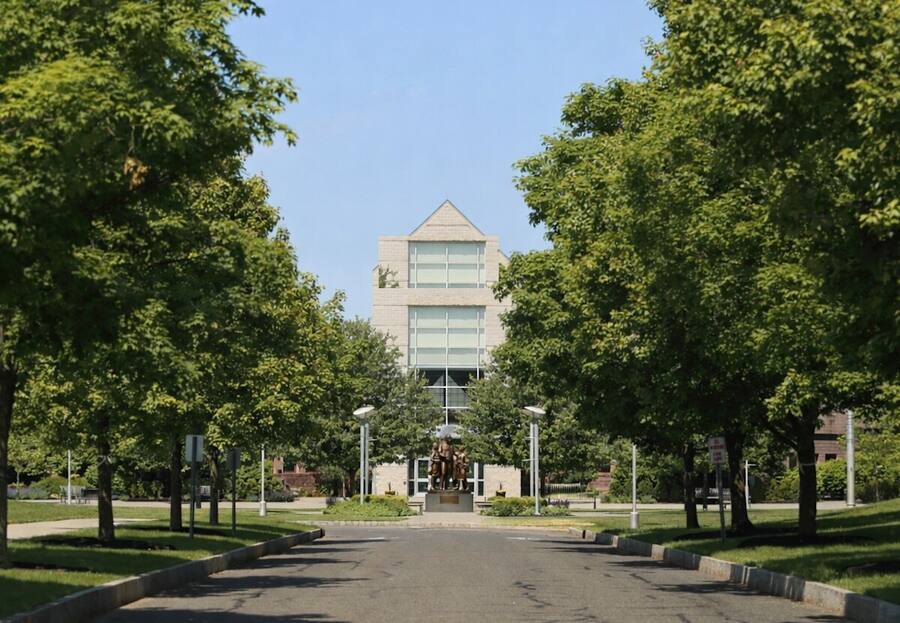
The Pingry School, founded in 1861, is a co-educational independent day school spread across three New Jersey campuses, serving roughly 1,200 students, 8,000 living alumni, and some 900 current families. Its annual giving program, the Pingry Fund, depends on that community showing up year after year to support students, faculty, and the day-to-day experience that tuition alone does not cover.
What makes Pingry’s story unusual is not the size of its donor base but who makes the ask. Over the past two years, a small advancement team has turned parents and alumni into the school’s primary fundraising channel, and the results have followed.
The challenge: a volunteer program that lived in spreadsheets
None of Pingry’s current annual giving team predates its move to GiveCampus, but they inherited the memory of how the work used to be done. An earlier push to build a volunteer program relied on manually maintained Excel files: a staff member pulled a list for each volunteer, then updated it by hand whenever giving changed. Volunteers could ask for a new spreadsheet on any given Tuesday, and then again two days later. The approach did not scale, and it made real growth impossible.
The human cost was just as real. Because working from a spreadsheet was cumbersome, some volunteers declined to participate at all, choosing to text their own friends off-platform rather than fundraise in any structured way. “How do you do your job when you’re just pulling spreadsheets all day long?” says Jessica St. Marie, Director of Annual Giving.
Pingry had also long been cautious about asking anyone beyond its trustees to fundraise, so the volunteer corps had room for growth. To scale the Pingry Fund, the team needed both a system volunteers would actually use and the confidence to put the ask in more hands. In June 2023, they adopted GC Volunteer Management.
The solution: a program designed around ease and respect for volunteers’ time
Pingry rebuilt its volunteer program on one principle: the easier the ask, the more people say yes. Rather than handing volunteers raw data, the team now uploads every assignment and prewrites every email template, so a volunteer opens a template, personalizes it, and sends. Staff manage the back end so volunteers can focus on relationships.
On the alumni side, Mackenzie Eford, Assistant Director of Development, built the program almost from scratch. Starting from a short list of reunion volunteers who mostly planned class parties, she recruited the old-fashioned way: in person at alumni happy hours and campus events, leaning on “double-dippers” who are both parents and alumni, and asking every new volunteer to bring a classmate along. She keeps each list short, capping assignments around 15, and sells the commitment on time rather than obligation. “It could take up to five minutes of your day, and it’s something you could do on your own time,” she says.
Onboarding is light-touch by design. Most volunteers simply watch a recorded walkthrough, with a live Zoom session for anyone who wants one, and when they see how quickly they can reach their people, they ask for more assignments, not fewer. Even the school’s board chair came aboard that way.
The team is deliberate about keeping the work foolproof. Volunteers are trained to open a prewritten template, with alumni and parent versions kept separate, and personalize from there. They also tailor what each role can see, giving development-committee volunteers the past giving and suggested ask amounts they need for their outreach while hiding that data from everyone else.
“We provide all the emails. We upload your assignments for you. All you have to do is go and click in and send a bulk email, or you can go in and personalize it, which most of our volunteers do.”
— Jessica St. Marie, Director of Annual Giving, The Pingry School
On the parent side, Margaret von der Linden, Assistant Director of Development, grew the corps to 74 registered volunteers and kept them working across the year with mini-campaigns like a March “Merch Madness” bracket. She also publishes a weekly, class-by-class participation chart in the parent bulletin — and seeing a class sit at 98% nudges the last few families to close the gap.
Everything builds toward one moment: Ring the Bell, Pingry’s 48-hour day of giving each October, held in honor of founder John Pingry’s birthday. The team splits the day into challenges for young alumni, reunion classes, and lower-, middle-, and upper-school parents, prewrites lead-up, day-of, and thank-you templates, and trains volunteers just beforehand so it is fresh. Then it turns the campus into a celebration, from a volunteer car-line welcome with the head of school and mascot to student-led stewardship tables and cookies at lunch. Afterward, the team is just as deliberate about thanks: recaps of emails sent and gifts raised, shout-outs for standout volunteers, in-platform announcements, and a stewardship webpage that names every volunteer alongside quotes from the community.
The result: 117 volunteers, 1,000+ appeals at a 70% open rate, and giving up 521%
The clearest measure of the rebuild is the volunteer base itself. Pingry now has 117 registered volunteers (75 parents and 40 alumni across its class agents and development committee), more than double the median for independent school GiveCampus Partners. And they use it: volunteers have sent more than 1,000 personalized email appeals, opened at a 70% average rate, well above what most institutional email earns.
That warm, peer-to-peer outreach also shows up in dollars. Across the year, and especially on Ring the Bell, volunteers brought in $329,000 in gifts, a 521% increase year over year — the clearest sign that putting the ask in a classmate’s or fellow parent’s hands changes what people give.
Nowhere is that clearer than in the lower school. A kindergarten parent who took on a Pingry Fund co-chair role made it her mission to close the participation gap grade by grade, texting, emailing, and personally making the case in what the team affectionately calls “polite bullying.” She won gifts from families who had ignored every prior ask, including from staff, and helped push lower-school participation to 98%, with four grades reaching 100%, up from none the year before. The team credits the growth to a simple compounding loop: make volunteering easy, celebrate the numbers publicly, and watch more people volunteer the next time.
“It’s a little bit of a numbers game. You have to ask a lot of people … but if you can train people and cultivate those relationships, they become really valuable volunteers, and they become more invested in the school.”
— Jessica St. Marie, Director of Annual Giving, The Pingry School
Steal this strategy
Pingry’s playbook
- Recruit, refer, renew
- Recruit face-to-face at alumni happy hours, parent-association meetings, and campus volunteer fairs, and lean on “double-dippers,” parents who are also alumni.
- Make referrals the rule: ask every volunteer to bring a classmate, and if someone rolls off, to name a replacement.
- Run recruiting events all year: a fall kickoff, a spring thank-you cocktail reception where volunteers bring a friend, and an end-of-year all-volunteer breakfast.
- Right-size the ask
- Keep lists short: cap assignments around 15 and let eager volunteers ask for more.
- Set a light, clear bar: two touches per assignment, then a thank-you.
- Sell the time, not the task: about five minutes on your own schedule, with a 30-day window and lead time.
- Equip them so it’s effortless
- Prewrite every template (alumni and parent versions; lead-up, day-of, thank-you) and train volunteers to open the template and personalize.
- Train just-in-time: a virtual session right before your campaign, plus the recording and a resource folder (class-agent guide, quick guide, email and text templates).
- Right-size what each role sees: give committee volunteers gift and ask amounts; hide giving data from the rest.
- Rally around a signature campaign
- Anchor on a signature moment: Pingry focuses on a 48-hour day of giving every October, tied to founder John Pingry’s birthday, so constituents come to expect it.
- Segment the challenges (young alumni, reunion classes, lower/middle/upper-school parents, seniors) so every group has a reason to give.
- Build hype on campus: a volunteer car-line welcome with the head of school and mascot, student-led stewardship tables, and a cookie giveaway.
- Make it fun, and steward out loud
- Reward advocates: a custom hat for bringing in five donors, plus swag bags, gift cards, and perks like the 1861 Leadership Society reception.
- Celebrate publicly: post-campaign recaps, class-by-class participation charts in the parent bulletin, platform announcements, and shout-outs for standout volunteers.
- Close the loop with a stewardship webpage that names every volunteer, and give each channel its own tracking link so you can see what’s working.